Getting a CDL opens the door to many driving careers, but not every trucking job is a good starting point. Some positions require years of experience, specialized endorsements, or advanced skills. Others are designed to help new drivers build experience while learning how the industry works.
The best first job depends on your priorities. Over-the-road driving may provide more opportunities for drivers with limited experience, while local delivery can offer better home time. Regional and dedicated routes often provide a balance between the two.
Before applying, make sure you meet the licensing and training requirements. The [FMCSA Entry-Level Driver Training rules](https://www.fmcsa.dot.gov/registration/commercial-drivers-license/entry-level-driver-training-eldt) apply to most drivers obtaining a Class A or Class B CDL for the first time. Training must be completed through a provider listed in the official [Training Provider Registry](https://tpr.fmcsa.dot.gov/).
Here are some of the best trucking jobs for beginners in the United States.
OTR Dry Van Driver
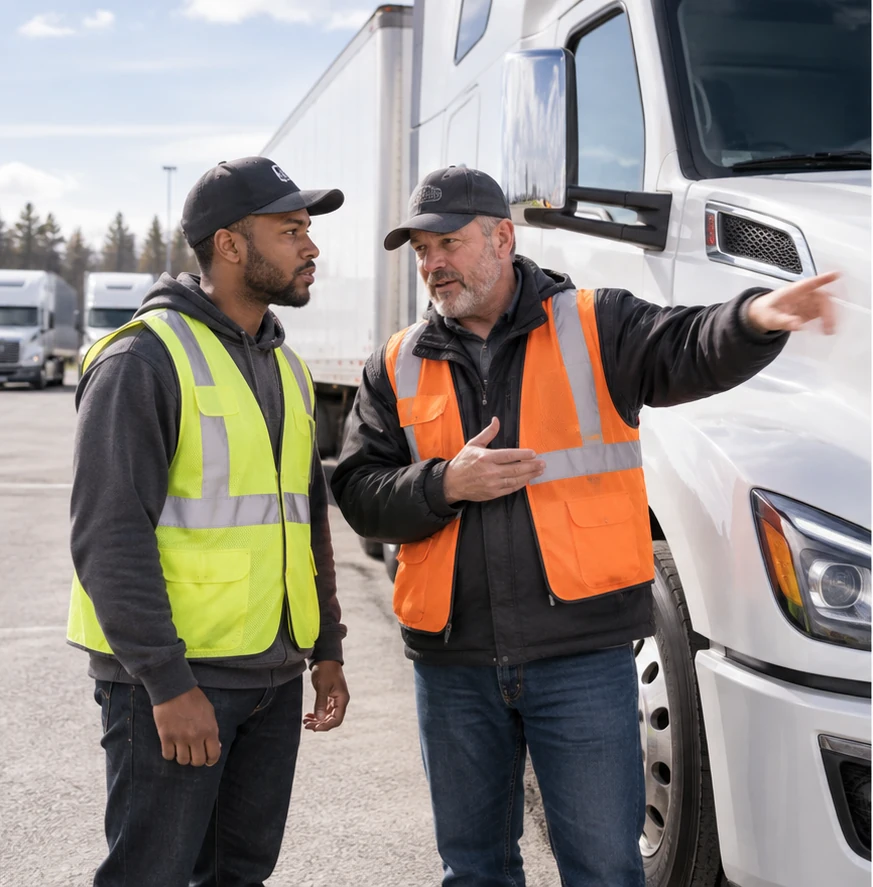
Over-the-road dry van driving is one of the most common entry points into trucking. Dry vans carry packaged freight that does not require temperature control, such as consumer products, household goods, and manufacturing supplies.
Large OTR carriers frequently hire recent CDL graduates and provide several weeks of supervised training. This gives beginners an opportunity to practice backing, trip planning, inspections, fueling, electronic logging, and communication with dispatchers.
The main disadvantage is time away from home. An OTR driver may remain on the road for several weeks, depending on the carrier and operating area. The lifestyle can be difficult for someone with family responsibilities, but it is an effective way to gain experience quickly because drivers encounter different highways, weather conditions, customers, and loading facilities.
Regional Truck Driver
Regional drivers operate within a particular part of the country instead of traveling throughout the entire United States. A driver might cover the Midwest, Northeast, Southeast, or several neighboring states.
These jobs usually provide more predictable home time than traditional OTR work. Some drivers return home every weekend, although schedules vary considerably. Regional routes still provide valuable experience with interstate driving, distribution centers, mountain grades, urban traffic, and changing weather.
Regional work can be an excellent compromise for a beginner who wants substantial mileage without staying away for several weeks. However, some employers require previous OTR experience, so new drivers should confirm the minimum experience requirement before applying.
Dedicated Route Driver
A dedicated driver works with the same customer, route network, or group of facilities. Instead of receiving constantly changing assignments, the driver regularly visits familiar distribution centers, stores, or manufacturing plants.
The consistency can make dedicated trucking easier for a beginner. Once you learn the route, docks, parking areas, and customer procedures, trip planning becomes more predictable. Some dedicated positions also offer regular home time.
The work is not always easy. Store-delivery routes may involve tight parking lots, nighttime appointments, unloading, or multiple stops. Pay can also depend on mileage, stops, unloading, or a combination of factors. Ask the recruiter for a complete explanation of compensation and job duties.
Local Pickup and Delivery Driver
Local pickup and delivery drivers normally operate within one city or metropolitan area and return home after their shifts. They may transport palletized freight between terminals and businesses or deliver products directly to customers.
This work provides plenty of practice with backing, city traffic, customer interaction, and route management. It can be physically demanding because some positions require freight handling, frequent entry and exit from the cab, or the use of pallet jacks and liftgates.
Local jobs are attractive because of their home-daily schedules, but they can be competitive. Employers may prefer experienced drivers due to the tight docks and heavy traffic involved. Beginners should look for companies that specifically advertise training for recent graduates.
Yard Jockey or Yard Spotter
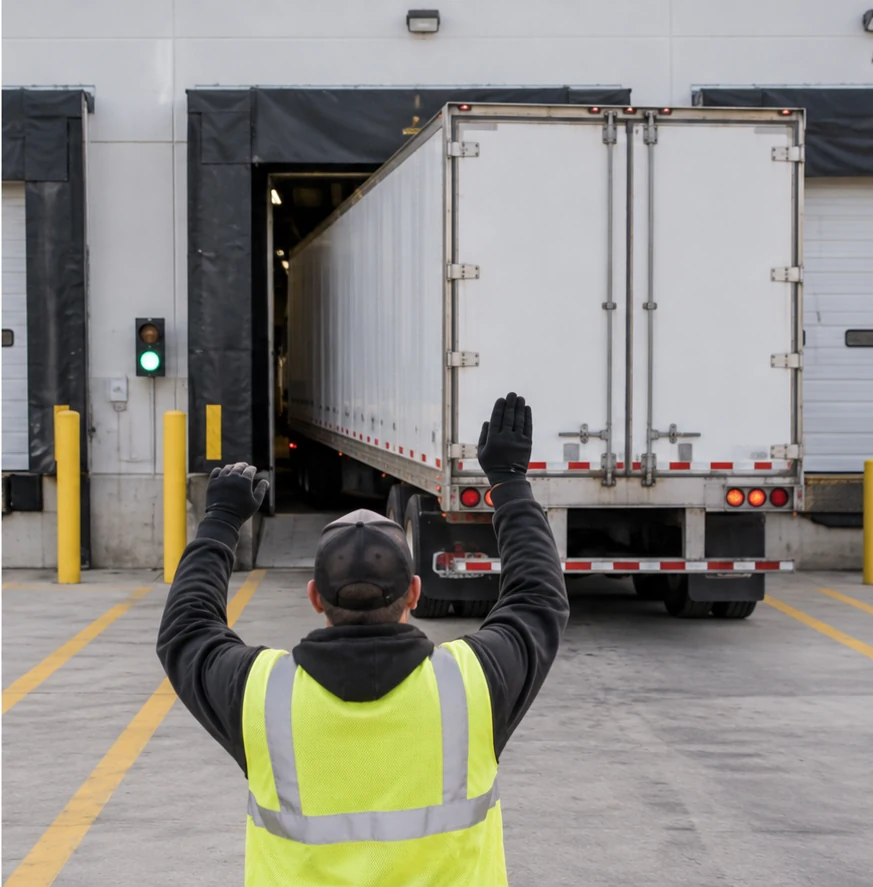
A yard jockey moves trailers around a warehouse, distribution center, port, or trucking terminal. The work often involves connecting to trailers, checking trailer numbers, and backing equipment into assigned dock doors.
For a beginner, yard work can provide intensive backing experience in a controlled area. The driver becomes familiar with trailer positioning, communication with warehouse employees, and basic equipment inspections.
Requirements differ by employer and location. Some yard positions operate entirely on private property, while others require a CDL because drivers occasionally use public roads. Yard experience can strengthen a résumé, but it does not always count as over-the-road experience when applying to another carrier.
Class B Delivery Driver
A Class B CDL can qualify a driver to operate certain straight trucks, box trucks, dump trucks, garbage trucks, and delivery vehicles. These jobs may be a practical alternative for someone who does not want to begin with a tractor-trailer.
Many Class B positions offer local routes and regular home time. Drivers may deliver food, beverages, building materials, or commercial supplies. Some employers provide training and help employees obtain the required CDL.
The tradeoff is that delivery work can involve substantial physical labor. Drivers may be responsible for unloading cases, moving equipment, or serving many customers during one shift. A Class B license also does not provide the same range of tractor-trailer opportunities as a Class A CDL.
Team Truck Driver
Team driving places two qualified drivers in the same truck. One person drives while the other rests, allowing the truck to cover long distances with fewer extended stops.
Some carriers pair new drivers with experienced trainers before offering a permanent team position. Team driving can help beginners become comfortable with long-distance routes and receive guidance during their first months.
The difficulty is sharing a small living space and sleeping while the truck moves. Success depends heavily on communication, compatible schedules, safe driving habits, and mutual respect. Beginners should understand the carrier’s pay structure because team mileage may be divided between both drivers.
How to Choose Your First Trucking Job
Do not choose a position based only on the highest advertised pay. Ask how drivers are paid, how much freight is available, how long orientation lasts, and whether training time is paid. Find out how frequently you will be home and whether loading, unloading, or multiple stops are required.
You should also investigate the employer’s safety record, equipment, benefits, and driver turnover. The [FMCSA Safety Measurement System](https://ai.fmcsa.dot.gov/SMS/) allows applicants to research basic safety information about motor carriers.
Read the employment agreement carefully, especially if the company pays for CDL training. Some programs require the driver to remain with the carrier for a specific period or repay training costs after leaving.
The career has substantial responsibility, but it can provide a stable path for people who enjoy independent work and life on the road. According to [O*NET OnLine](https://www.onetonline.org/link/summary/53-3032.00), truck-driving responsibilities extend beyond operating the vehicle and may include inspections, route planning, cargo checks, recordkeeping, and communication with customers or dispatchers.
Frequently Asked Questions
Which Trucking Job Is Easiest to Get Without Experience?
OTR dry van positions with large training carriers are often among the most accessible. These companies regularly hire recent CDL graduates and have established driver-training programs.
Are Local Trucking Jobs Available to New Drivers?
Yes, but availability depends on the employer and local market. Food service, beverage delivery, moving, construction, and some less-than-truckload companies may hire beginners. Local work often requires more backing, customer interaction, and physical activity.
Should a Beginner Become an Owner-Operator?
Usually not immediately. Owner-operators must manage fuel, maintenance, insurance, taxes, freight selection, and business expenses. A company-driving position allows a beginner to gain experience before accepting those financial risks.
Final Thoughts
The best trucking jobs for beginners include OTR dry van, regional, dedicated, local delivery, yard-spotting, Class B delivery, and team-driving positions. Each option provides a different balance of experience, income potential, home time, and physical work.
For many new Class A drivers, OTR or regional dry van work offers the clearest path into the industry. Drivers who prioritize daily home time may prefer local delivery, yard work, or a Class B position.
Your first trucking job does not have to be permanent. Choose a reputable employer that provides safe equipment, meaningful training, realistic expectations, and enough support to help you build a strong driving record.